John Deere Leptastrea - Leptastrea sp.
John Deere Leptastrea (Leptastrea sp.)
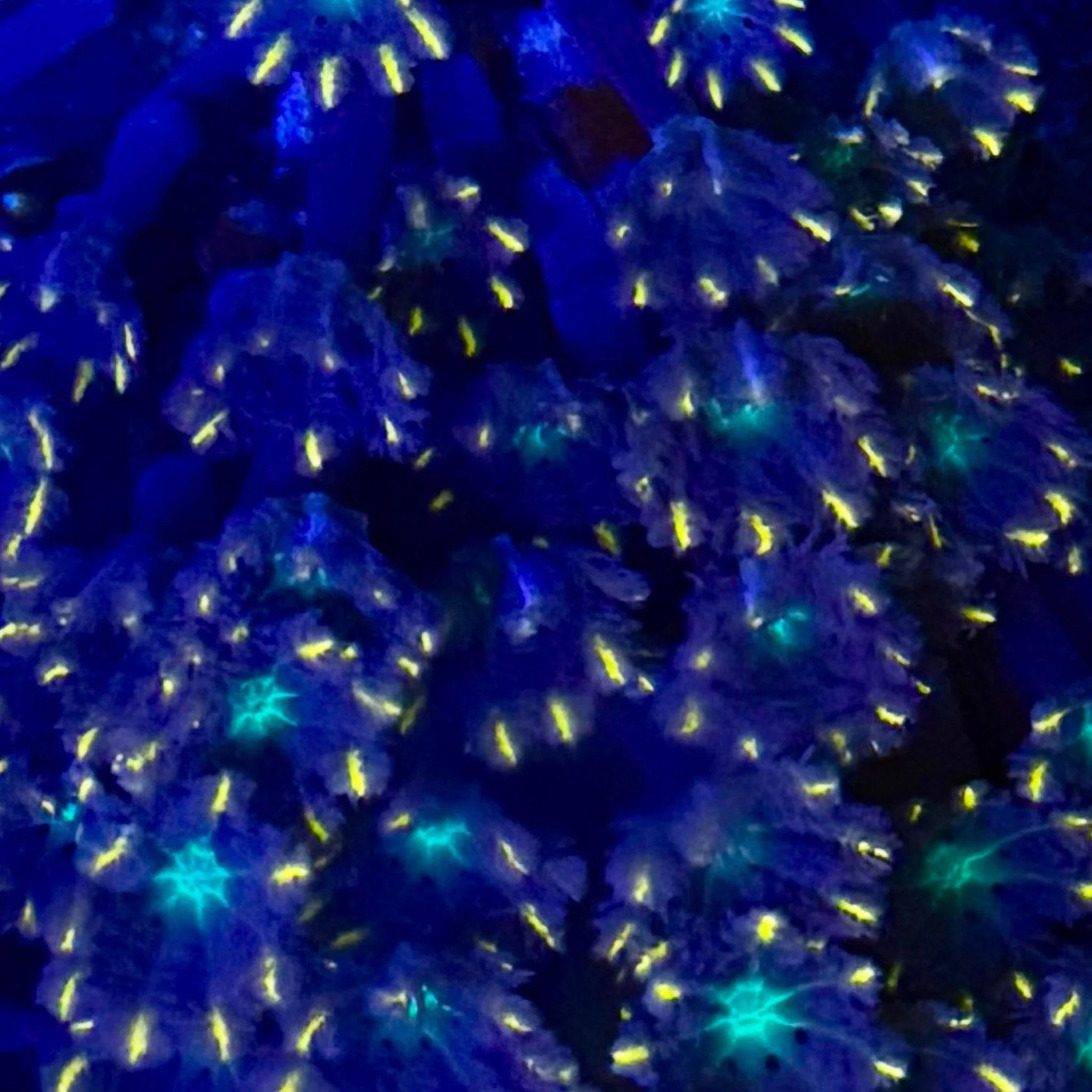
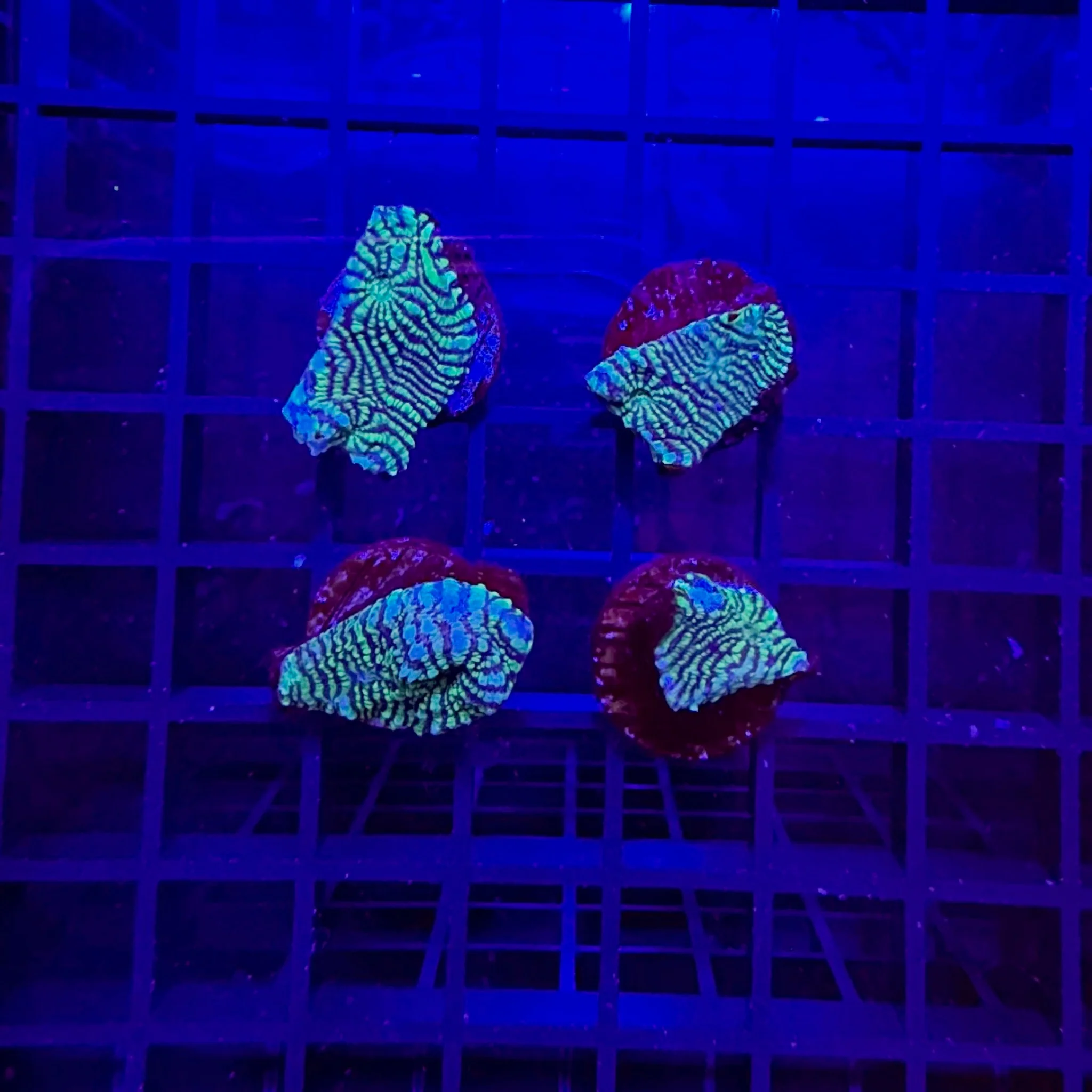
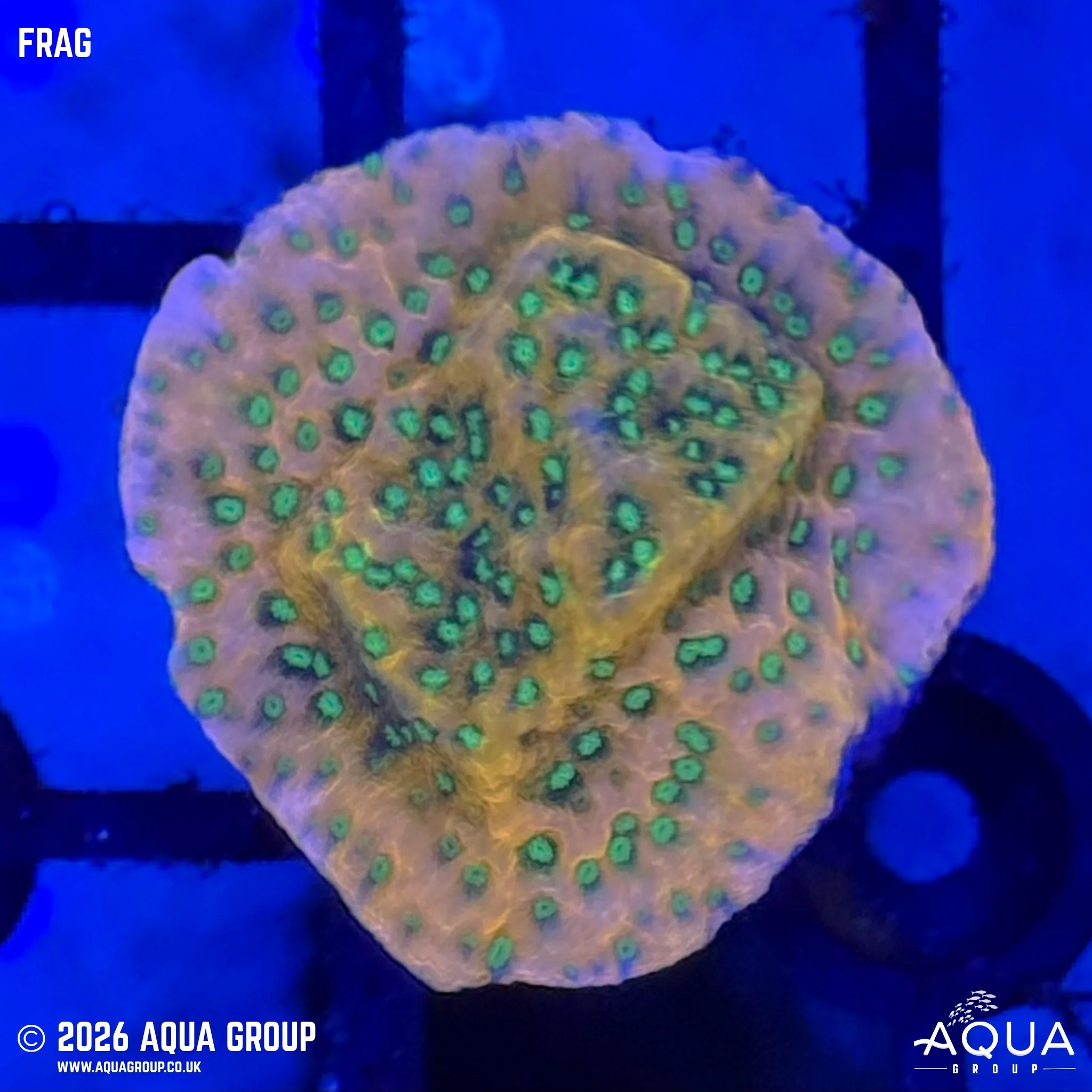
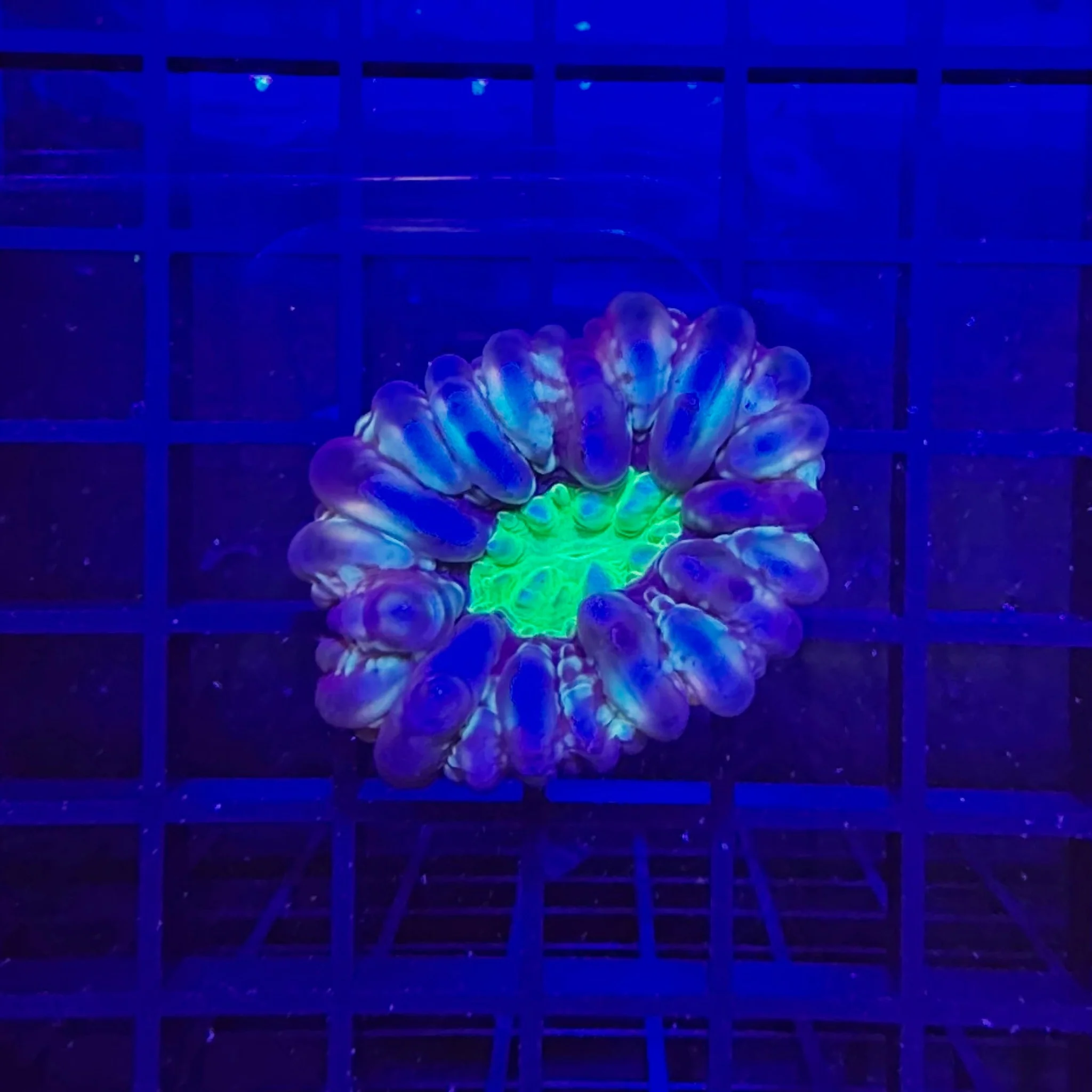
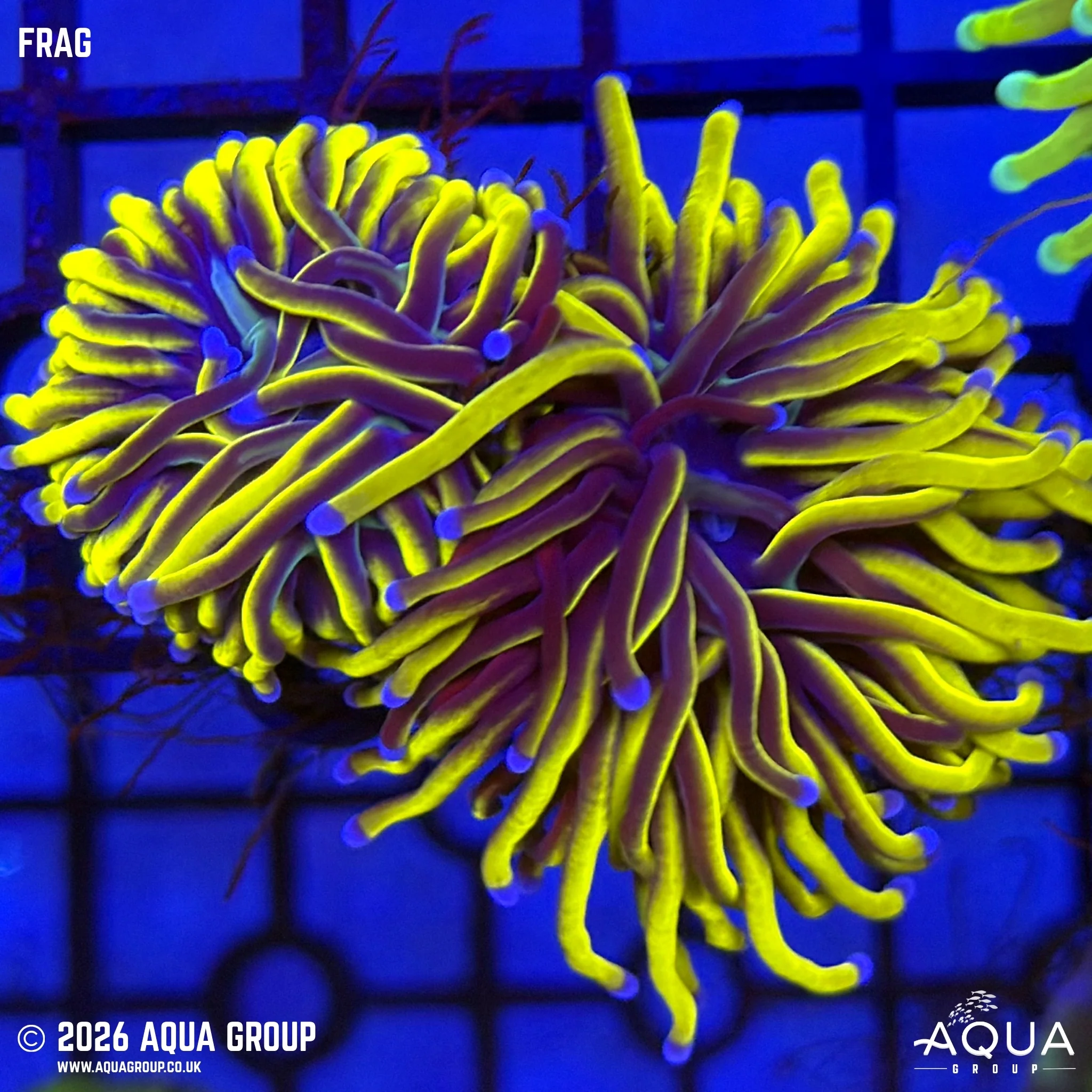
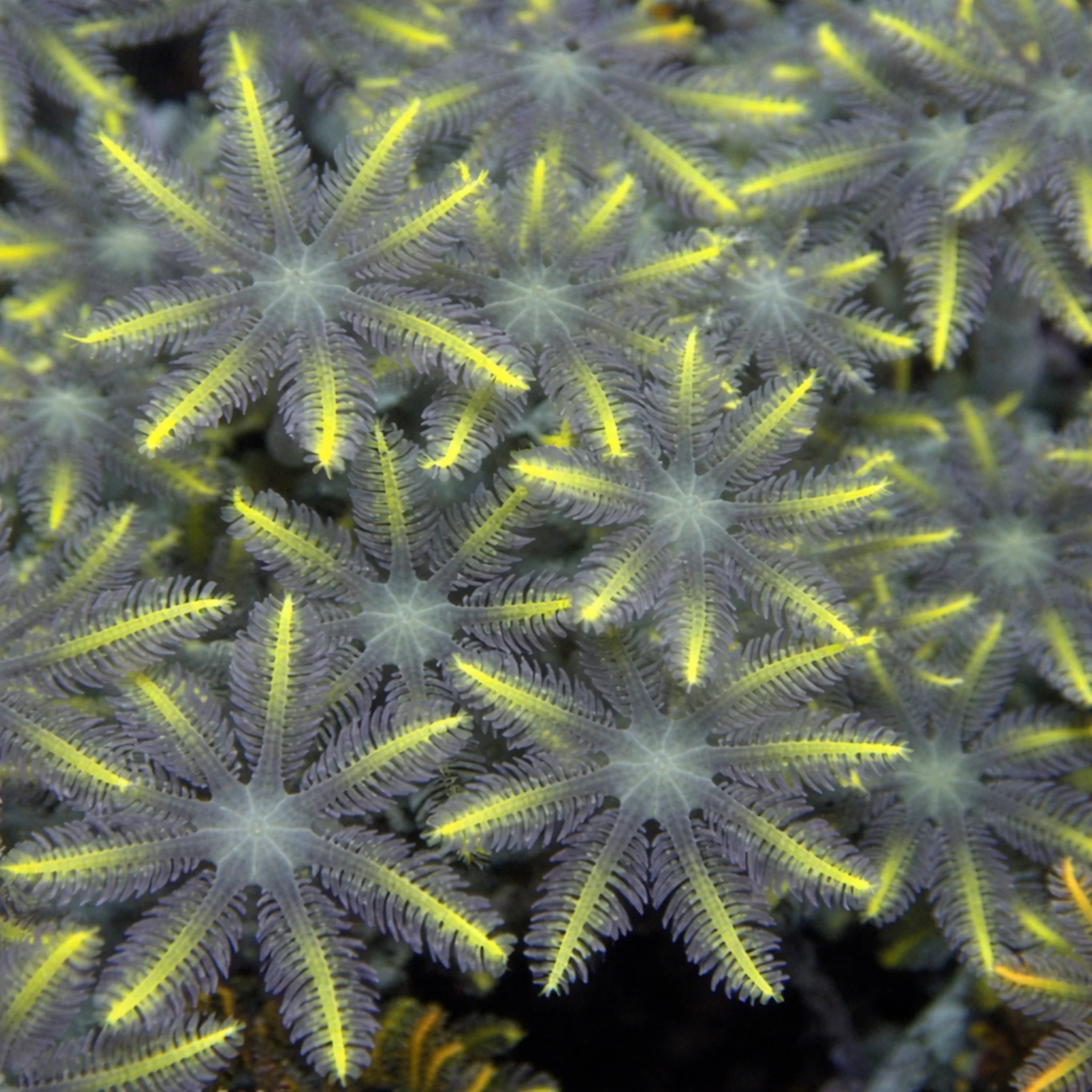
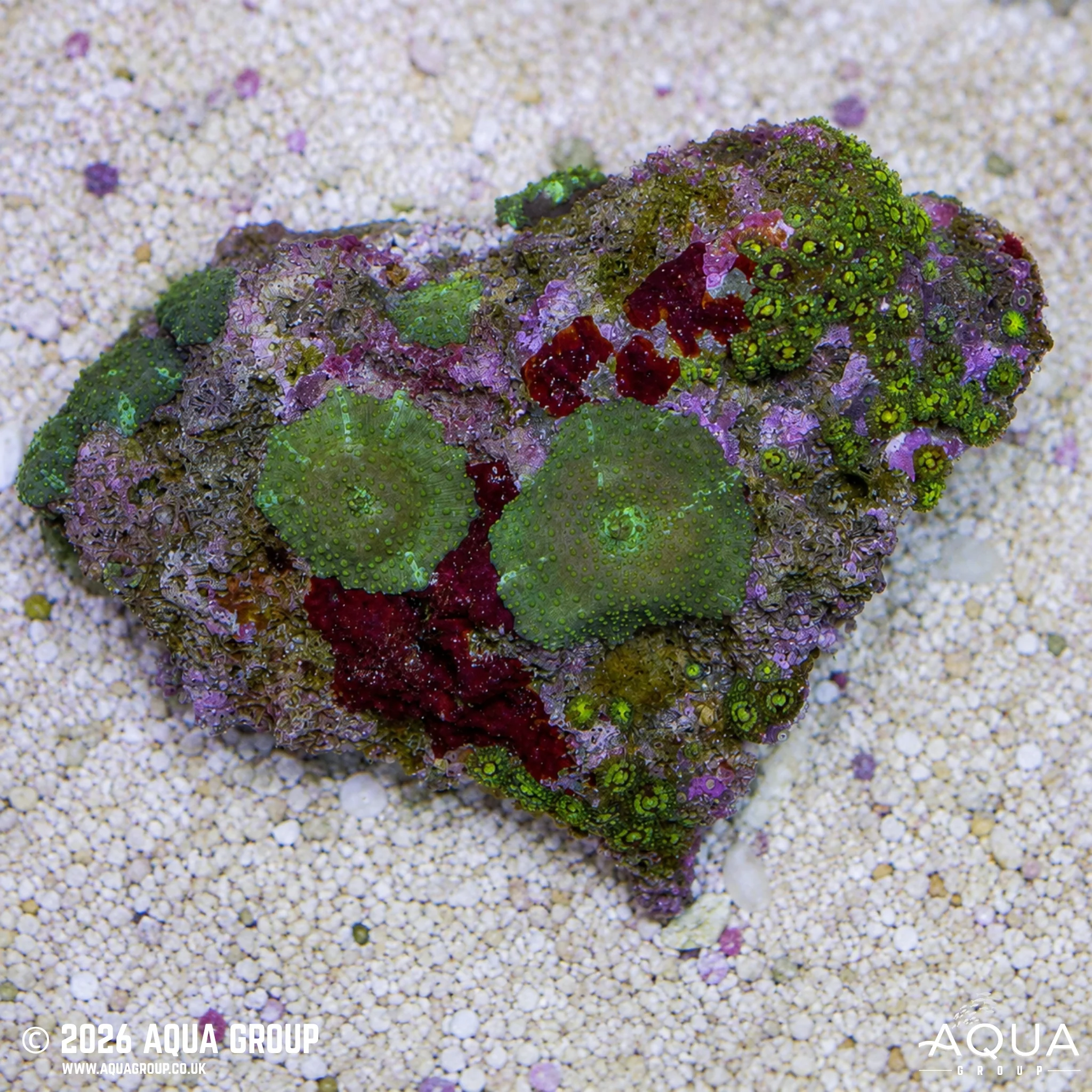
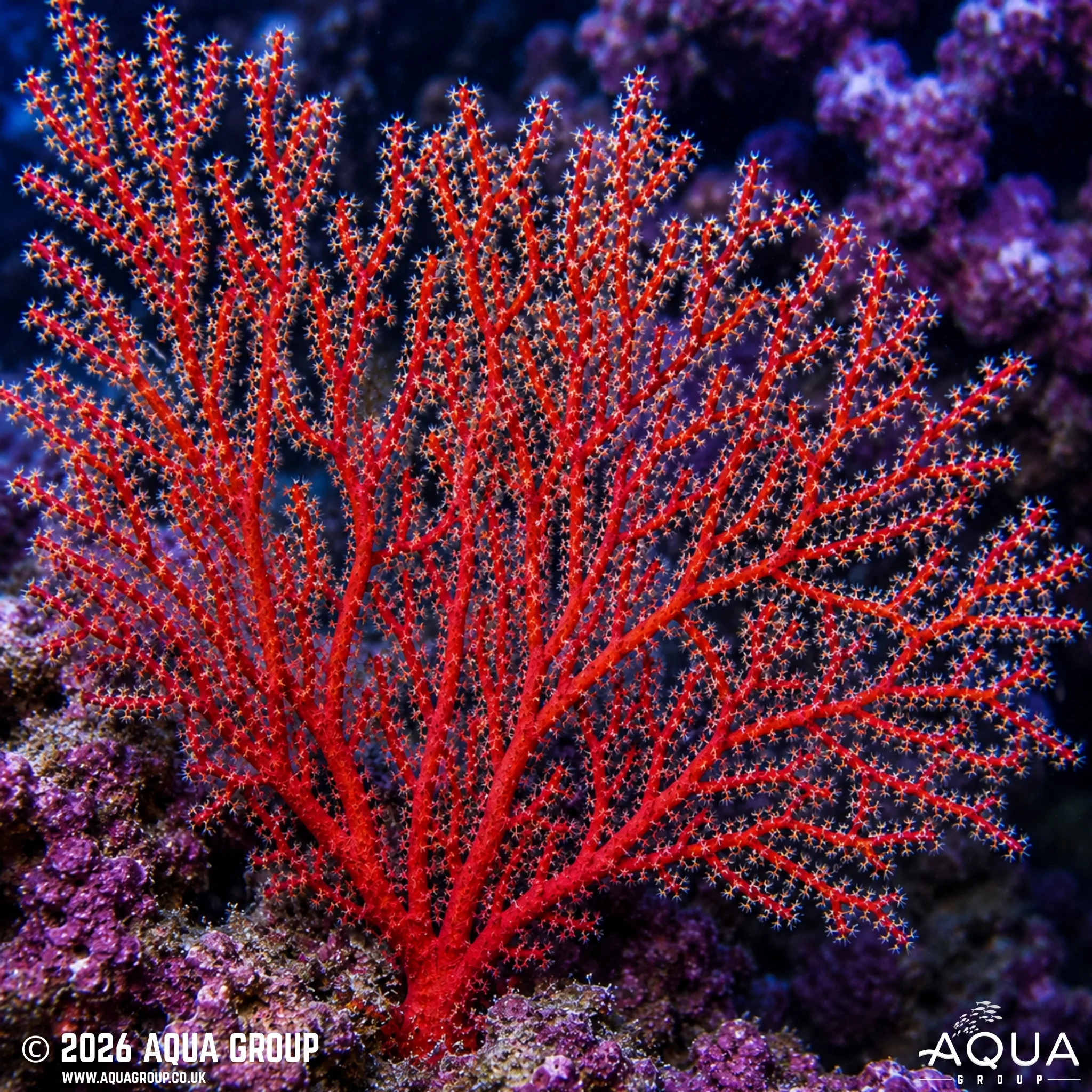
The John Deere Leptastrea, Leptastrea sp., is a colourful encrusting large polyp stony coral, admired for its bold contrast, textured growth pattern and bright polyp detail. Leptastrea corals are popular for adding colour to reef rockwork, especially in lower-to-medium light zones where they can slowly encrust across stable surfaces. This coral is generally hardy once settled, making it a strong choice for a mature reef aquarium with stable parameters, moderate flow and careful light acclimation.
Common Name:
John Deere Leptastrea, Leptastrea Coral, Encrusting Leptastrea.
Scientific Name (Latin):
Leptastrea sp.
Coral Type:
LPS Coral
Growth Form:
Encrusting stony coral growth form, spreading across rockwork and hard surfaces with small fleshy polyps and a textured skeletal structure.
Water Type:
Marine
Origin / Natural Habitat:
Leptastrea corals are found in Indo-Pacific reef habitats, where they grow over hard reef surfaces, reef slopes and stable rockwork. In aquariums, they are best placed on secure rockwork where they have room to encrust naturally without being crowded by faster-growing or more aggressive corals.
Water Parameters:
Temperature: 24–26°C
pH Range: 8.1–8.4
Salinity: SG 1.024–1.026
Alkalinity: 7–10 dKH
Calcium: 400–450 ppm
Magnesium: 1250–1350 ppm
Nitrate: Low but detectable
Phosphate: Low but detectable
Lighting:
Medium
John Deere Leptastrea generally does best under low-to-medium or moderate reef lighting. Avoid placing it directly under intense lighting without gradual acclimation, as sudden increases in light can cause fading, bleaching or tissue stress. Lower-to-middle placement is usually safest when first introduced.
Flow:
Medium
Moderate, indirect flow is ideal. Flow should be strong enough to keep the coral surface clean and prevent detritus settling between the polyps, but not so harsh that the tissue becomes irritated or unable to extend properly.
Placement:
Best placed on stable rockwork, lower-to-middle reef zones or slightly shaded areas with moderate flow. Allow space for the coral to encrust across nearby surfaces. Avoid placing directly beside aggressive LPS corals or fast-growing corals that may sting, shade or overgrow it.
Temperament / Aggression:
Peaceful to semi-aggressive
John Deere Leptastrea is not usually one of the most aggressive LPS corals, but it can compete for space as it encrusts. Give it room from neighbouring corals to reduce irritation, overgrowth and tissue damage.
Feeding:
Photosynthetic, but benefits from feeding
This coral receives much of its energy from lighting through its symbiotic zooxanthellae, but it can benefit from occasional small-particle feeding. Suitable foods include powdered coral foods, amino acids, fine zooplankton and reef roids-style foods. Feed lightly and avoid allowing excess food to settle on the coral.
Growth Rate:
Moderate
Growth is usually steady in stable reef systems with consistent alkalinity, calcium, magnesium, lighting and flow. Once settled, Leptastrea can encrust well across suitable rockwork and hard surfaces.
Special Requirements or Care Notes:
Best kept in a mature, stable reef aquarium with consistent water chemistry and moderate nutrient availability. Avoid unstable alkalinity, harsh direct flow, sudden increases in lighting and detritus build-up around the coral. Dip and acclimate carefully before adding to the aquarium, and monitor for tissue recession, fading, pest irritation or shading from nearby corals.
Suitable for:
Beginner to Intermediate reefkeepers
Availability:
Regularly available in the coral trade / Availability can vary depending on colour intensity, pattern, supplier naming and season.
All images are a visual representation of the coral you will receive, made to be as accurate as possible. Please note that Mother Nature is a wonderful thing, and variation in patterns, colours and growth form will occur — that is part of the unique beauty of these animals.
Original: $53.62
-70%$53.62
$16.09John Deere Leptastrea - Leptastrea sp.
John Deere Leptastrea (Leptastrea sp.)
The John Deere Leptastrea, Leptastrea sp., is a colourful encrusting large polyp stony coral, admired for its bold contrast, textured growth pattern and bright polyp detail. Leptastrea corals are popular for adding colour to reef rockwork, especially in lower-to-medium light zones where they can slowly encrust across stable surfaces. This coral is generally hardy once settled, making it a strong choice for a mature reef aquarium with stable parameters, moderate flow and careful light acclimation.
Common Name:
John Deere Leptastrea, Leptastrea Coral, Encrusting Leptastrea.
Scientific Name (Latin):
Leptastrea sp.
Coral Type:
LPS Coral
Growth Form:
Encrusting stony coral growth form, spreading across rockwork and hard surfaces with small fleshy polyps and a textured skeletal structure.
Water Type:
Marine
Origin / Natural Habitat:
Leptastrea corals are found in Indo-Pacific reef habitats, where they grow over hard reef surfaces, reef slopes and stable rockwork. In aquariums, they are best placed on secure rockwork where they have room to encrust naturally without being crowded by faster-growing or more aggressive corals.
Water Parameters:
Temperature: 24–26°C
pH Range: 8.1–8.4
Salinity: SG 1.024–1.026
Alkalinity: 7–10 dKH
Calcium: 400–450 ppm
Magnesium: 1250–1350 ppm
Nitrate: Low but detectable
Phosphate: Low but detectable
Lighting:
Medium
John Deere Leptastrea generally does best under low-to-medium or moderate reef lighting. Avoid placing it directly under intense lighting without gradual acclimation, as sudden increases in light can cause fading, bleaching or tissue stress. Lower-to-middle placement is usually safest when first introduced.
Flow:
Medium
Moderate, indirect flow is ideal. Flow should be strong enough to keep the coral surface clean and prevent detritus settling between the polyps, but not so harsh that the tissue becomes irritated or unable to extend properly.
Placement:
Best placed on stable rockwork, lower-to-middle reef zones or slightly shaded areas with moderate flow. Allow space for the coral to encrust across nearby surfaces. Avoid placing directly beside aggressive LPS corals or fast-growing corals that may sting, shade or overgrow it.
Temperament / Aggression:
Peaceful to semi-aggressive
John Deere Leptastrea is not usually one of the most aggressive LPS corals, but it can compete for space as it encrusts. Give it room from neighbouring corals to reduce irritation, overgrowth and tissue damage.
Feeding:
Photosynthetic, but benefits from feeding
This coral receives much of its energy from lighting through its symbiotic zooxanthellae, but it can benefit from occasional small-particle feeding. Suitable foods include powdered coral foods, amino acids, fine zooplankton and reef roids-style foods. Feed lightly and avoid allowing excess food to settle on the coral.
Growth Rate:
Moderate
Growth is usually steady in stable reef systems with consistent alkalinity, calcium, magnesium, lighting and flow. Once settled, Leptastrea can encrust well across suitable rockwork and hard surfaces.
Special Requirements or Care Notes:
Best kept in a mature, stable reef aquarium with consistent water chemistry and moderate nutrient availability. Avoid unstable alkalinity, harsh direct flow, sudden increases in lighting and detritus build-up around the coral. Dip and acclimate carefully before adding to the aquarium, and monitor for tissue recession, fading, pest irritation or shading from nearby corals.
Suitable for:
Beginner to Intermediate reefkeepers
Availability:
Regularly available in the coral trade / Availability can vary depending on colour intensity, pattern, supplier naming and season.
All images are a visual representation of the coral you will receive, made to be as accurate as possible. Please note that Mother Nature is a wonderful thing, and variation in patterns, colours and growth form will occur — that is part of the unique beauty of these animals.
Product Information
Product Information
Shipping & Returns
Shipping & Returns
Description
John Deere Leptastrea (Leptastrea sp.)
The John Deere Leptastrea, Leptastrea sp., is a colourful encrusting large polyp stony coral, admired for its bold contrast, textured growth pattern and bright polyp detail. Leptastrea corals are popular for adding colour to reef rockwork, especially in lower-to-medium light zones where they can slowly encrust across stable surfaces. This coral is generally hardy once settled, making it a strong choice for a mature reef aquarium with stable parameters, moderate flow and careful light acclimation.
Common Name:
John Deere Leptastrea, Leptastrea Coral, Encrusting Leptastrea.
Scientific Name (Latin):
Leptastrea sp.
Coral Type:
LPS Coral
Growth Form:
Encrusting stony coral growth form, spreading across rockwork and hard surfaces with small fleshy polyps and a textured skeletal structure.
Water Type:
Marine
Origin / Natural Habitat:
Leptastrea corals are found in Indo-Pacific reef habitats, where they grow over hard reef surfaces, reef slopes and stable rockwork. In aquariums, they are best placed on secure rockwork where they have room to encrust naturally without being crowded by faster-growing or more aggressive corals.
Water Parameters:
Temperature: 24–26°C
pH Range: 8.1–8.4
Salinity: SG 1.024–1.026
Alkalinity: 7–10 dKH
Calcium: 400–450 ppm
Magnesium: 1250–1350 ppm
Nitrate: Low but detectable
Phosphate: Low but detectable
Lighting:
Medium
John Deere Leptastrea generally does best under low-to-medium or moderate reef lighting. Avoid placing it directly under intense lighting without gradual acclimation, as sudden increases in light can cause fading, bleaching or tissue stress. Lower-to-middle placement is usually safest when first introduced.
Flow:
Medium
Moderate, indirect flow is ideal. Flow should be strong enough to keep the coral surface clean and prevent detritus settling between the polyps, but not so harsh that the tissue becomes irritated or unable to extend properly.
Placement:
Best placed on stable rockwork, lower-to-middle reef zones or slightly shaded areas with moderate flow. Allow space for the coral to encrust across nearby surfaces. Avoid placing directly beside aggressive LPS corals or fast-growing corals that may sting, shade or overgrow it.
Temperament / Aggression:
Peaceful to semi-aggressive
John Deere Leptastrea is not usually one of the most aggressive LPS corals, but it can compete for space as it encrusts. Give it room from neighbouring corals to reduce irritation, overgrowth and tissue damage.
Feeding:
Photosynthetic, but benefits from feeding
This coral receives much of its energy from lighting through its symbiotic zooxanthellae, but it can benefit from occasional small-particle feeding. Suitable foods include powdered coral foods, amino acids, fine zooplankton and reef roids-style foods. Feed lightly and avoid allowing excess food to settle on the coral.
Growth Rate:
Moderate
Growth is usually steady in stable reef systems with consistent alkalinity, calcium, magnesium, lighting and flow. Once settled, Leptastrea can encrust well across suitable rockwork and hard surfaces.
Special Requirements or Care Notes:
Best kept in a mature, stable reef aquarium with consistent water chemistry and moderate nutrient availability. Avoid unstable alkalinity, harsh direct flow, sudden increases in lighting and detritus build-up around the coral. Dip and acclimate carefully before adding to the aquarium, and monitor for tissue recession, fading, pest irritation or shading from nearby corals.
Suitable for:
Beginner to Intermediate reefkeepers
Availability:
Regularly available in the coral trade / Availability can vary depending on colour intensity, pattern, supplier naming and season.
All images are a visual representation of the coral you will receive, made to be as accurate as possible. Please note that Mother Nature is a wonderful thing, and variation in patterns, colours and growth form will occur — that is part of the unique beauty of these animals.