🎉 Up to 70% Off Selected ItemsShop Sale
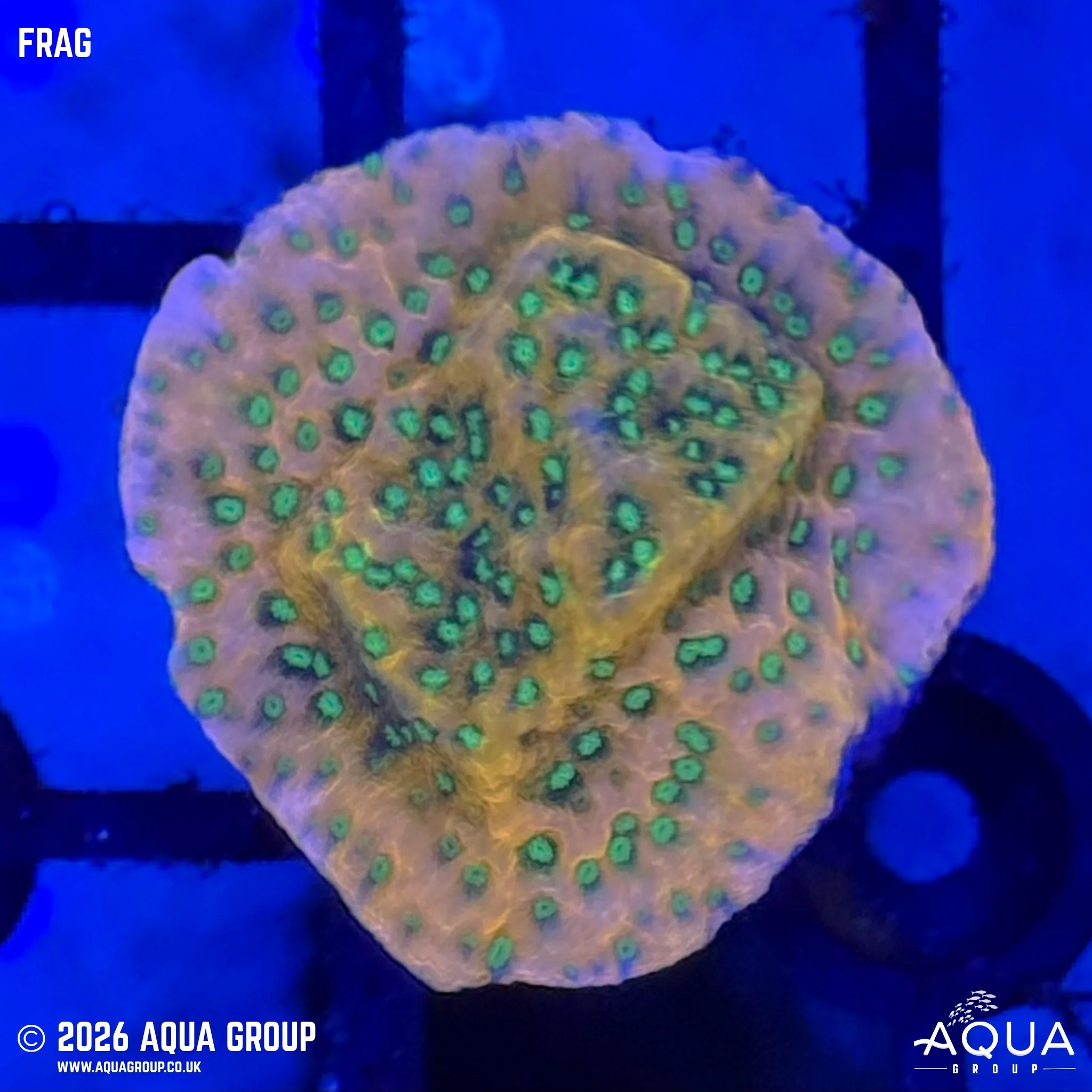
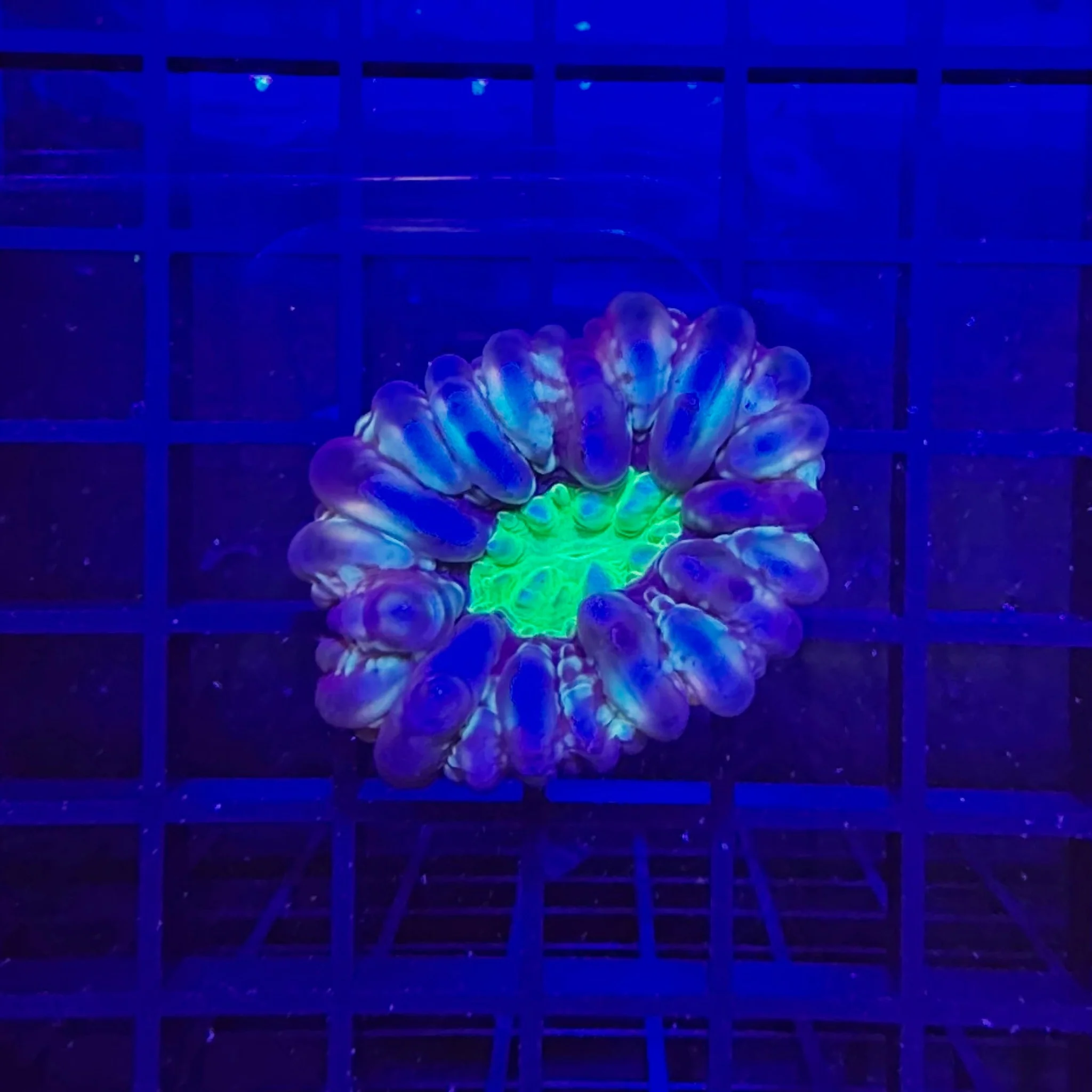
Rainbow Trachyphyllia - #4
HomeStore

Rainbow Trachyphyllia - #4

Rainbow Trachyphyllia - #4

P12- Rainbow Trachyphyllia- WYSIWYG

Trachyphyllia is a type of large polyp stony (LPS) coral, also known as an open brain coral, known for its beautiful, often brightly coloured, and fleshy tissue that covers a rough, skeletonised base. These free-living corals are found in a range of colours, such as green, yellow, and red, and are prized for their diverse and intense coloration in reef aquariums. While relatively easy to care for, they require specific conditions, including moderate lighting and flow, and must be placed with ample space from other corals due to their semi-aggressive nature and ability to sting.
Morphology:
Their name comes from Greek words for "rough" and "leaf," reflecting their appearance on the sandy bottom. They often have a distinctive figure-of-eight or folded shape. 

Lighting:
They require moderate, stable lighting, with too much light potentially causing bleaching. 

Water Flow:
Moderate flow rates are preferred, as excessive currents can damage the coral by causing its sharp skeleton to puncture its soft tissue. 

Feeding:
Photosynthesis:
Trachyphyllia corals are photosynthetic and derive much of their food from symbiotic algae (zooxanthellae) within their tissues. 

Target Feeding:
They benefit from regular target feeding with micro-plankton or invertebrate foods, but care should be taken not to overfeed or feed a coral while it is still digesting previous food. 
$79.31

Original: $264.35

-70%
Rainbow Trachyphyllia - #4—

$264.35

$79.31

Rainbow Trachyphyllia - #4

P12- Rainbow Trachyphyllia- WYSIWYG

Trachyphyllia is a type of large polyp stony (LPS) coral, also known as an open brain coral, known for its beautiful, often brightly coloured, and fleshy tissue that covers a rough, skeletonised base. These free-living corals are found in a range of colours, such as green, yellow, and red, and are prized for their diverse and intense coloration in reef aquariums. While relatively easy to care for, they require specific conditions, including moderate lighting and flow, and must be placed with ample space from other corals due to their semi-aggressive nature and ability to sting.
Morphology:
Their name comes from Greek words for "rough" and "leaf," reflecting their appearance on the sandy bottom. They often have a distinctive figure-of-eight or folded shape. 

Lighting:
They require moderate, stable lighting, with too much light potentially causing bleaching. 

Water Flow:
Moderate flow rates are preferred, as excessive currents can damage the coral by causing its sharp skeleton to puncture its soft tissue. 

Feeding:
Photosynthesis:
Trachyphyllia corals are photosynthetic and derive much of their food from symbiotic algae (zooxanthellae) within their tissues. 

Target Feeding:
They benefit from regular target feeding with micro-plankton or invertebrate foods, but care should be taken not to overfeed or feed a coral while it is still digesting previous food. 

Product Information

Shipping & Returns

Description

P12- Rainbow Trachyphyllia- WYSIWYG

Trachyphyllia is a type of large polyp stony (LPS) coral, also known as an open brain coral, known for its beautiful, often brightly coloured, and fleshy tissue that covers a rough, skeletonised base. These free-living corals are found in a range of colours, such as green, yellow, and red, and are prized for their diverse and intense coloration in reef aquariums. While relatively easy to care for, they require specific conditions, including moderate lighting and flow, and must be placed with ample space from other corals due to their semi-aggressive nature and ability to sting.
Morphology:
Their name comes from Greek words for "rough" and "leaf," reflecting their appearance on the sandy bottom. They often have a distinctive figure-of-eight or folded shape. 

Lighting:
They require moderate, stable lighting, with too much light potentially causing bleaching. 

Water Flow:
Moderate flow rates are preferred, as excessive currents can damage the coral by causing its sharp skeleton to puncture its soft tissue. 

Feeding:
Photosynthesis:
Trachyphyllia corals are photosynthetic and derive much of their food from symbiotic algae (zooxanthellae) within their tissues. 

Target Feeding:
They benefit from regular target feeding with micro-plankton or invertebrate foods, but care should be taken not to overfeed or feed a coral while it is still digesting previous food. 

You may also like

-70%NEW
Thumbnail 1

Papaya Clove Polyp Coral

$53.62

$16.09

-70%NEW
Thumbnail 1

Green Convict Chalice Coral

$60.33

$18.10

-70%NEW
Thumbnail 1

Tropic Thunder Montipora - Montipora sp.

$26.81

$8.04

-70%NEW
Thumbnail 1

Orange Pearl Cynarina Coral

$268.12

$80.44

-70%NEW
Thumbnail 1

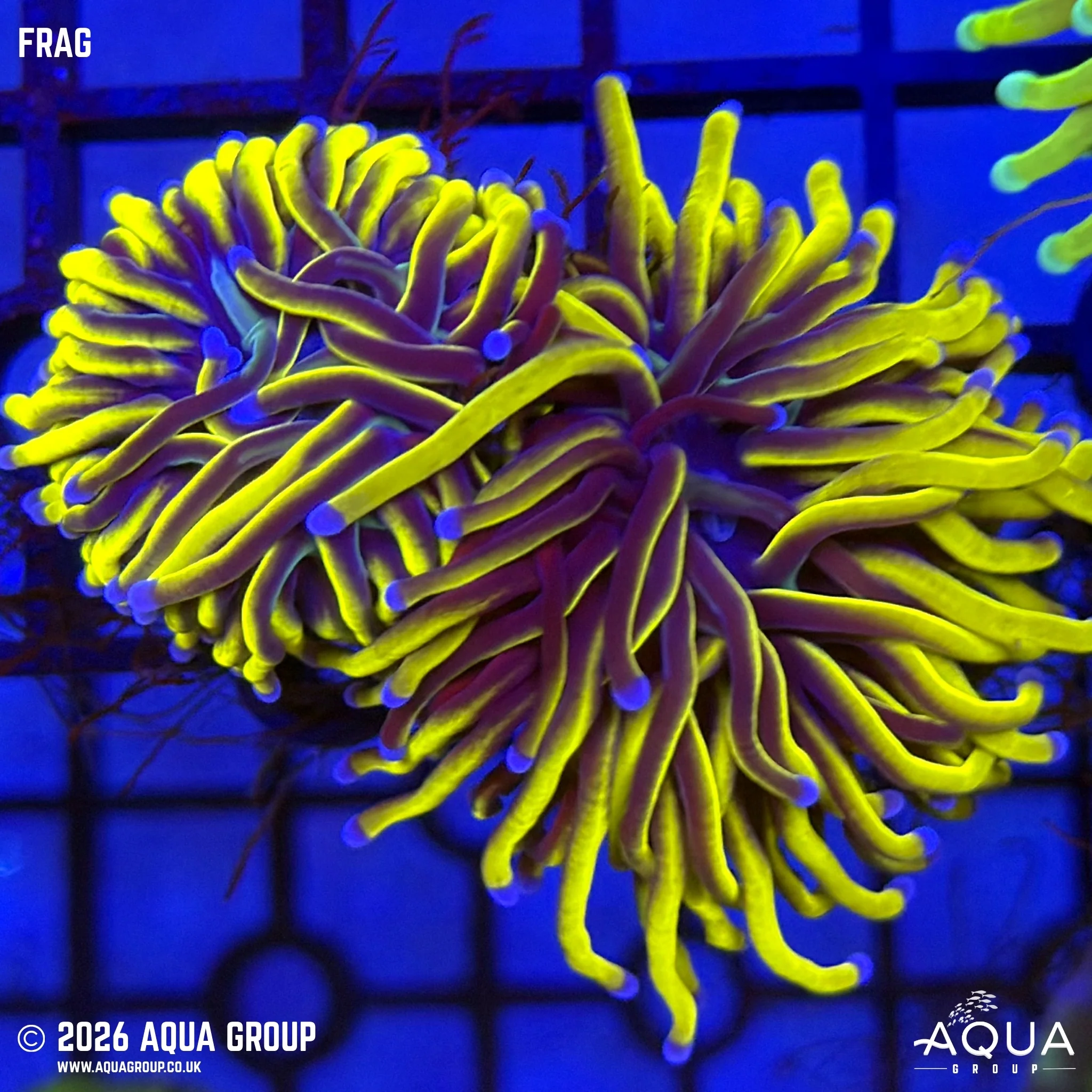
NY Knicks Torch Coral - Euphyllia glabrescens

$127.36

$38.21

-70%NEW
Thumbnail 1

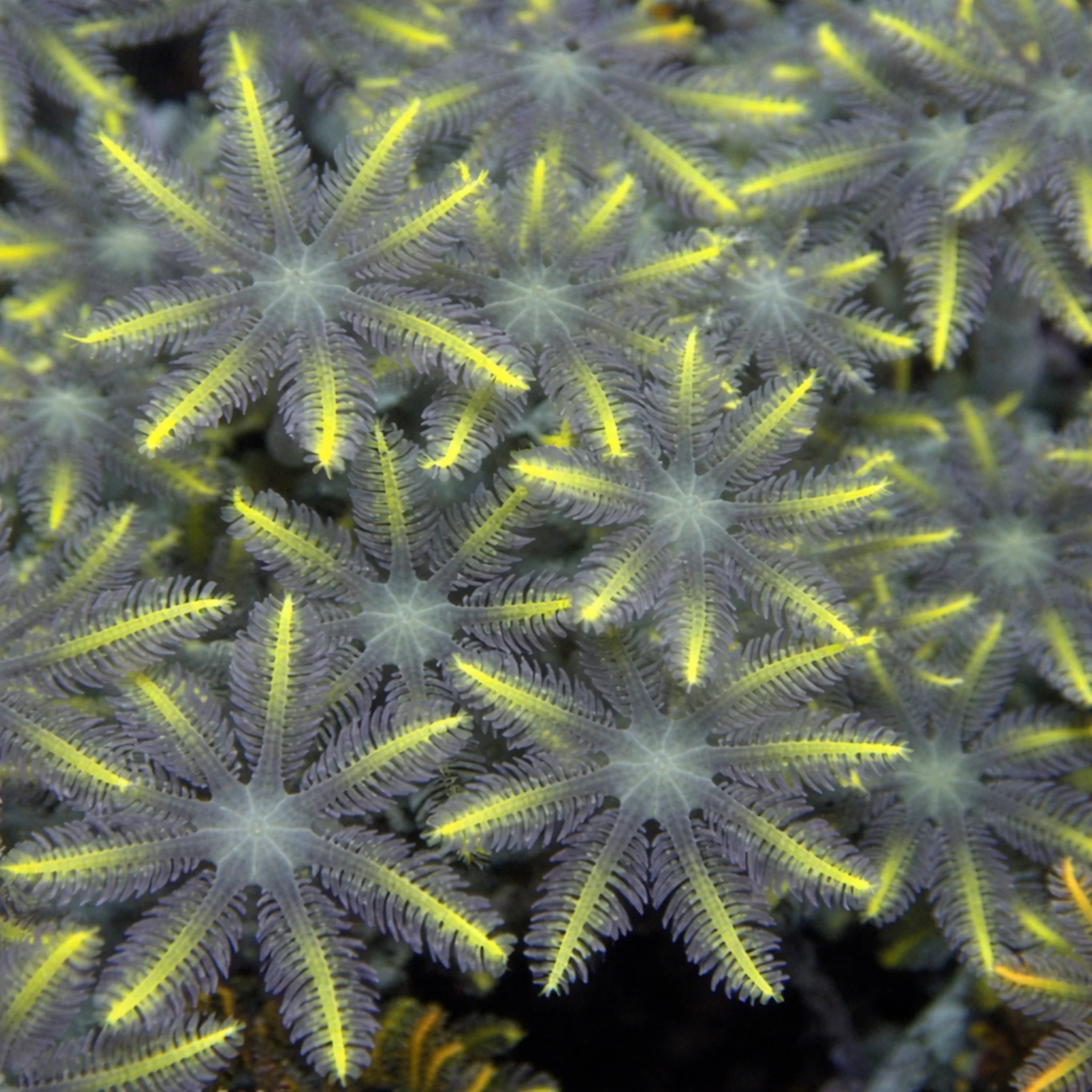
Yellow Stripe Clove Polyp Coral

$53.62

$16.09

-70%NEW
Thumbnail 1

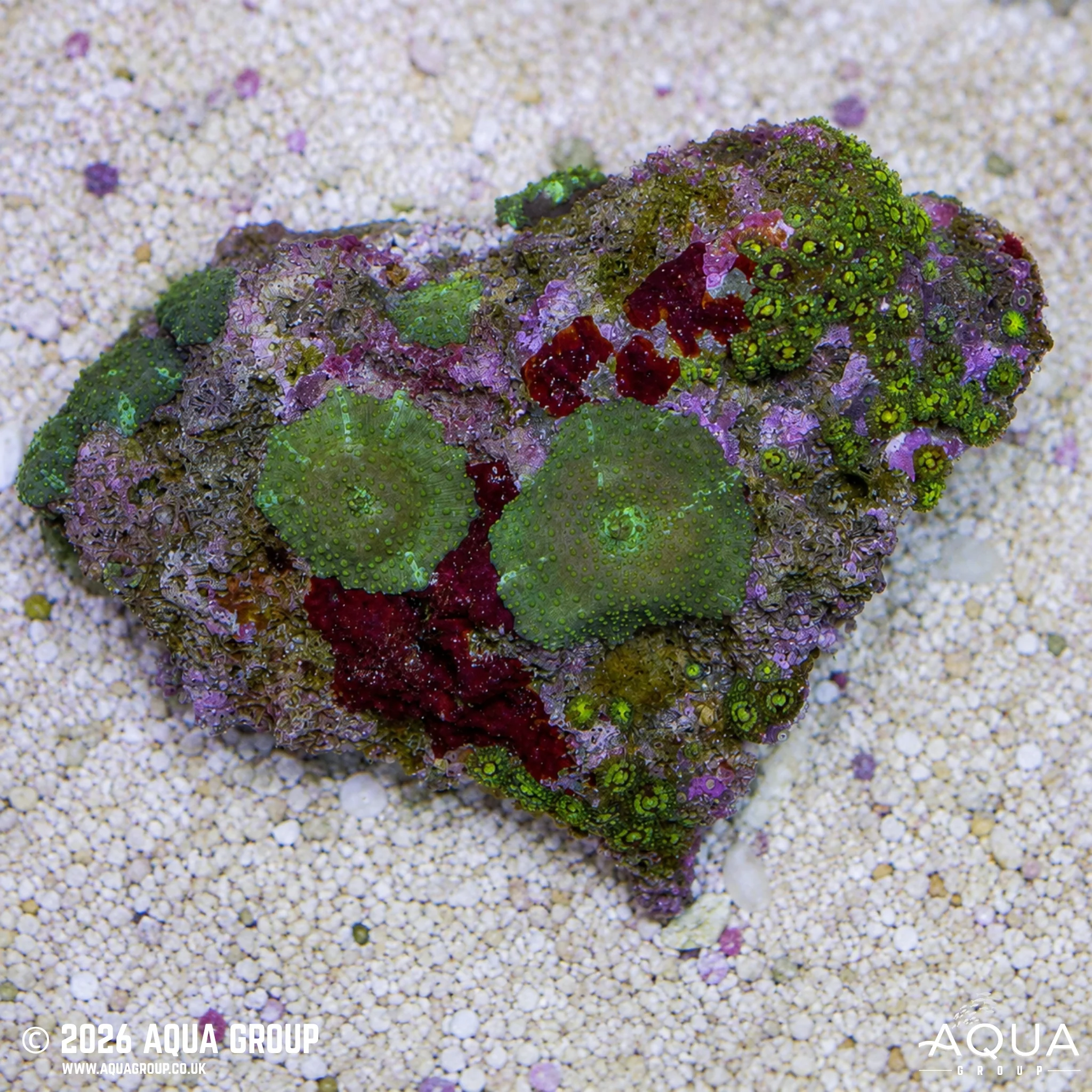
Australian Mushroom Rock - Discosoma sp

$33.51

$10.05

-70%NEW
Thumbnail 1

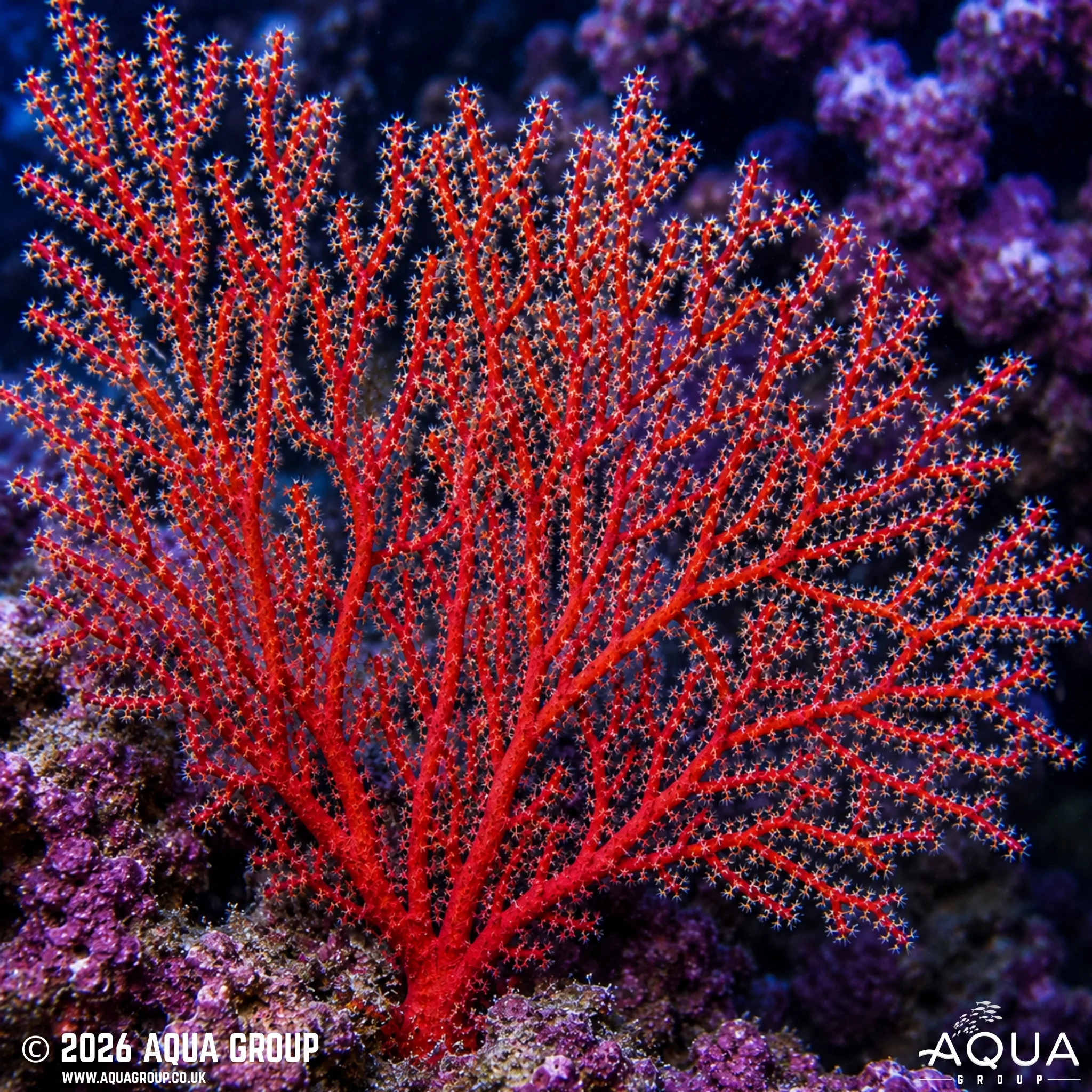
Australian Red Fan Gorgonian - Gorgonia sp

$33.51

$10.05

-70%NEW
Thumbnail 1

FCCP Plakat Betta - Betta splendens #7

$46.85

$14.05

-70%NEW

Yellow Tip Torch - Single Head

$127.36

$38.21

-70%NEW
Thumbnail 1

John Deere Leptastrea - Leptastrea sp.

$53.62

$16.09

NEW
Thumbnail 1

Red Ring Trachyphyllia #3 - WYSIWYG

$441.06